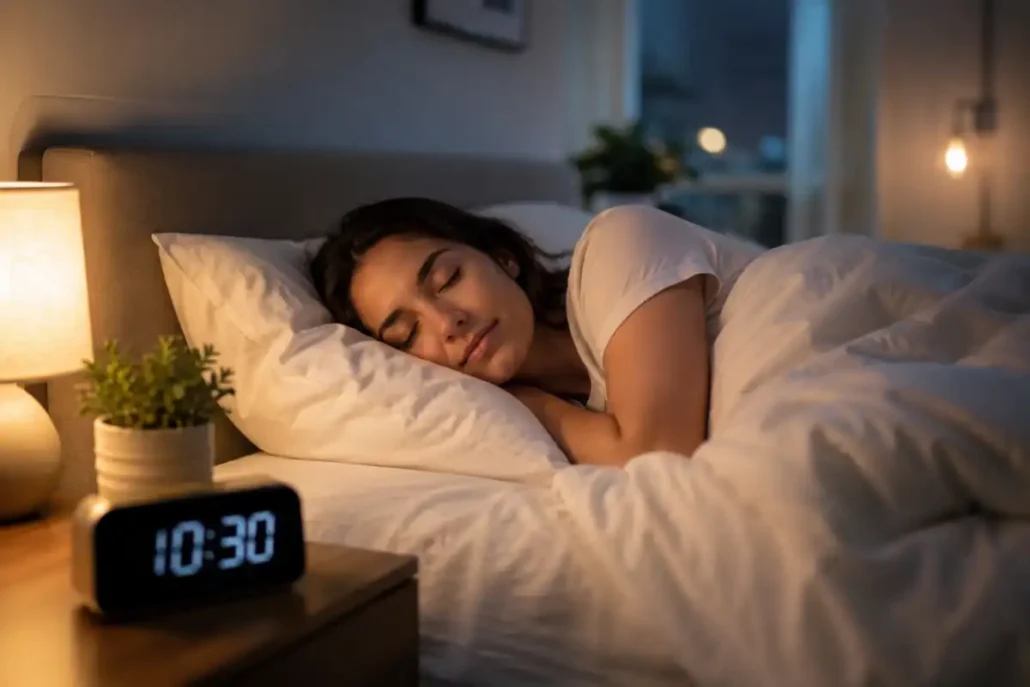
The Sleep Mental Health Loop: Why May Matters for Both
May is Mental Health Awareness Month a perfect time to shine a light on the powerful connection between sleep and mental well-being.
If you’ve ever noticed that a restless night leaves you feeling more anxious or down, you’re not alone. Sleep and mental health are deeply intertwined, each influencing the other in a constant loop.
In this blog, we’ll explore how anxiety and low mood can disrupt your rest, how poor sleep can feed back into both, and share practical, compassionate strategies to help you break the cycle and reclaim your nights.
Understanding the Two-Way Street
Or, do you feel less than refreshed after sleep when you’re depressed, worried, or anxious? Not enough sleep can affect mental health, and vice versa, creating a significant link between sleep and mental health.
“It’s becoming increasingly clear that mood and sleep have a bidirectional relationship,” said Andrea Goldstein-Piekarski, PhD, assistant professor of psychiatry and behavioral sciences and director of the Computational Psychiatry, Neuroscience, and Sleep Laboratory at Stanford Medicine.
Scientific Evidence of the Bidirectional Relationship
Short-term studies have shown that sleep deprivation reduces our ability to regulate emotions. On the other hand, psychiatric disorders, such as anxiety or depression, can cause us to have issues with sleep. Let’s start with some of those statistics:
- More than 1 in 3 U.S. adults don’t get enough sleep.
- Nearly 8 out of 10 U.S. teenagers don’t get enough sleep.
- About half of U.S. adults have a chronic sleep disorder, such as sleep apnea or insomnia.
- More than 1 in 5 U.S. adults has a mental health condition.
- People with insomnia are 10 times more likely to have depression and 17 times more likely to have anxiety.
Sleep timing affects mental health, and study of nearly 75,000 people in the U.K. found that going to bed early and waking up early can be better for mental health. This is true for night owls, too!
The Stanford-led research team was surprised to find that an early evening and waking up didn’t negatively affect people with the night owl, or wolf, chronotype. A chronotype is a person’s natural preference for the timing of sleep and activity, which affects our daily rhythms and influences everything from productivity to personality.
In fact, the team’s study found that regardless of chronotype, people who went to sleep later had higher risks of depression, anxiety, and other mental health disorders. Lead researcher Jamie Zeitzer, PhD, professor of psychiatry and behavioral sciences in sleep medicine at Stanford, believes this is due to the activities people engage in while they’re up late at night. The poor-decision hangover can be bad for mental health, he said.
How Anxiety and Low Mood Disrupt Rest
According to the World Health Organization (WHO), nearly 1 in 7 people, 1.1 billion, worldwide had a mental health disorder in 2021. Anxiety and depressive disorders were most common. Other prevalent disorders, the number of people who experienced them, and their characteristics include:
Anxiety
359 million people, including 72 million children and adolescents, in 2021.
Anxiety disorders are typically characterized by excessive fear, worry, and similar behavioral disturbances. Anxiety can make it hard to fall and stay asleep, causing poor sleep that, in turn, worsens anxiety symptoms.
A few of the common symptoms of anxiety include:
- Racing thoughts at night
- Difficulty relaxing
- Frequent awakenings
- Restless sleep
Depression
280 million people, including 23 million children and adolescents, in 2019. A primary way of diagnosing depression is whether a person has experienced a depressed mood, such as feeling sad, irritable, or empty, or lost interest or pleasure in activities for most of the day, nearly every day for at least two weeks.
People with depression often experience insomnia difficulty falling asleep, staying asleep, or waking up too early and being unable to get back to sleep. Depression can also disrupt the body’s natural sleep-wake cycle, making it challenging to maintain a consistent sleep schedule.
Symptoms like sadness and negative thoughts keep the mind active at night, interfering with sleep and creating a cycle of worsening depression and sleep problems.
Stress
More than 1 in 5 people, 62% across 31 counties, say they have felt stressed enough that it impacted their daily lives at least once.
Stress affects sleep by making it harder to fall asleep, stay asleep, and achieve restful, restorative sleep. When stress levels are high, your mind may race with worries or to-do lists at bedtime, making it hard to wind down.
Stress can cause physical symptoms such as muscle tension or a racing heart that disrupt the body’s ability to relax. Chronic stress can create a cycle: poor sleep increases stress, which further impairs sleep.
How Poor Sleep Feeds Back Into Mental Health
Poor sleep can worsen symptoms of anxiety and depression, increase irritability, and make it more difficult to manage stress. Whether you’re not getting enough sleep, sleeping too much, or missing out on quality sleep, poor sleep can impair focus, decision-making, and problem-solving abilities, making daily challenges harder to cope with. ADD IN HERE ALWAYS SEEK ADVICE FROM A PROFESSIONAL….
The Impact of Sleep Deprivation
Sleep deprivation, in particular, has several negative impacts on mood, resilience, and coping abilities:
- Mood: Lack of sleep can cause increased irritability, sadness, and emotional instability. It makes you more likely to have negative emotions and can worsen symptoms of anxiety and depression.
- Resilience: Sleep deprivation weakens your mind’s ability to bounce back from stress and setbacks. Without adequate rest, it becomes harder to manage challenges and recover from difficult experiences.
- Coping: Poor sleep impairs judgment, concentration, and problem-solving skills. This makes it more difficult to handle daily pressures, make decisions, and find healthy ways to cope with stress.
Vicious Cycles: Mental Health Disorders and Increased Anxiety and/or Depression
Research shows that 80% of people with depression experience insomnia at some point in their lives, and people with insomnia are twice as likely to experience depression. Statistics also show that 15 to 20% of people with insomnia have or will develop major depression.
Insomnia and anxiety are considered comorbid conditions, meaning that two health conditions often occur together. A 2022 study published in the National Library of Medicine determined that there is a high degree of overlap between anxiety disorders and insomnia.
Additionally, people with certain disorders are more likely to experience depressive symptoms and are more susceptible to being diagnosed with:
- Posttraumatic stress disorder (PTSD)
- Generalized anxiety disorder (GAD)
- Panic disorder
- Social anxiety disorder
- Obsessive-compulsive disorder (OCD)
May’s Message: Awareness as Action
Mental Health Awareness Month and Better Sleep Month are celebrated annually in May, making it an opportune time to reduce the stigma by talking openly about sleep and mental health.
The Lindner Center of Hope believes that these monthlong celebrations are a “time to fight stigma, educate the public, and support those with mental illness.” This aligns with the 2026 theme from Mental Health America, “More Good Days, Together,” which focuses on community support. Key initiatives include sharing personal stories, wearing green, and advocating for improved mental healthcare.
As outlined earlier, it’s important to recognize the bidirectional loop of sleep and mental health during this time. You can take these steps to talk openly with friends, family, and colleagues and reduce the stigma during Mental Health Awareness Month this year and every year:
- Submit a video or written story to the National Alliance on Mental Health (NAMH): Share your mental health and sleep journey with others by submitting your story here.
- Share your story and resources on your social channels to help reduce stigma. NAMH has some great social media graphics and text you can use, or make your own!
- Participate in local or online community events. Find your local NAMH affiliate here.
- Take part in “Wear it Green” days, or wear green all month long!
Practical Anchors: Steps You Can Take
Improving your sleep doesn’t have to feel overwhelming or out of reach. Even small, gentle changes to your bedtime routine and daily habits can help you create an environment where restful, restorative sleep is possible especially during stressful times. If you’re struggling, know that you’re not alone, and there are practical steps you can take to make your nights more peaceful.
Sleep hygiene is all about the choices we make throughout the day and evening that affect our ability to fall and stay asleep. Here are some mental health sleep tips to help you rest your body and mind:
- Adjust the Lighting: Let sunlight in during the day to support your natural rhythms, and dim the lights in the evening to cue your body for rest.
- Choose Soothing Sounds: Gentle music or calming white/pink noise can quiet a busy mind and ease you into relaxation.
- Eat a Healthy Diet: Some foods naturally promote sleep, such as almonds, cherries, and warm herbal teas. Try to avoid big meals close to bedtime.
- Make Time to Move: Any exercise can be helpful listen to your body and notice how movement affects your sleep.
- Limit Screen Time: Unplug from devices a couple of hours before bed to help your mind slow down.
- Practice Relaxation: Meditating, deep breathing, or journaling throughout the day can help release tension and calm your thoughts.
- Create a Comforting Bedtime Routine: Consistency and a touch of fun like a good book or a card game can make winding down something to look forward to.
- Refresh Your Space: A tidy, cozy bedroom with comforting touches (like plants or soft bedding) can make a big difference.
- Check Your Mattress: If your mattress is old or uncomfortable, investing in a new one may transform your sleep experience.
Remember, your well-being is important. Every small step you take toward better sleep is an act of self-care.
When to Reach Out for Support
Even if you don’t have a preexisting medical condition, we can’t stress the importance of reaching out to a physician if you’re experiencing depression, anxiety, or another mental health challenge accompanied by poor sleep. Treatment is available! Contact a healthcare professional if you:
- Have trouble falling or staying asleep
- Feel tired or lethargic during the day
- Experience physical pain or discomfort
If you are struggling or in crisis, confidential, free, 24/7/365 help is available. Speak to a trained crisis counselor:
- Call or text 988
- Chat at 988lifeline.org
Breaking the Cycle, One Night at a Time
Taking care of your sleep is one of the most compassionate things you can do for your mental health. By making small, mindful changes to your routine, you can break the cycle between restless nights and low mood.
Remember, progress happens one step and one night at a time. This May, let’s prioritize rest, support each other, and move toward brighter days together.