Bedroom Color Psychology and Its Impact on Sleep
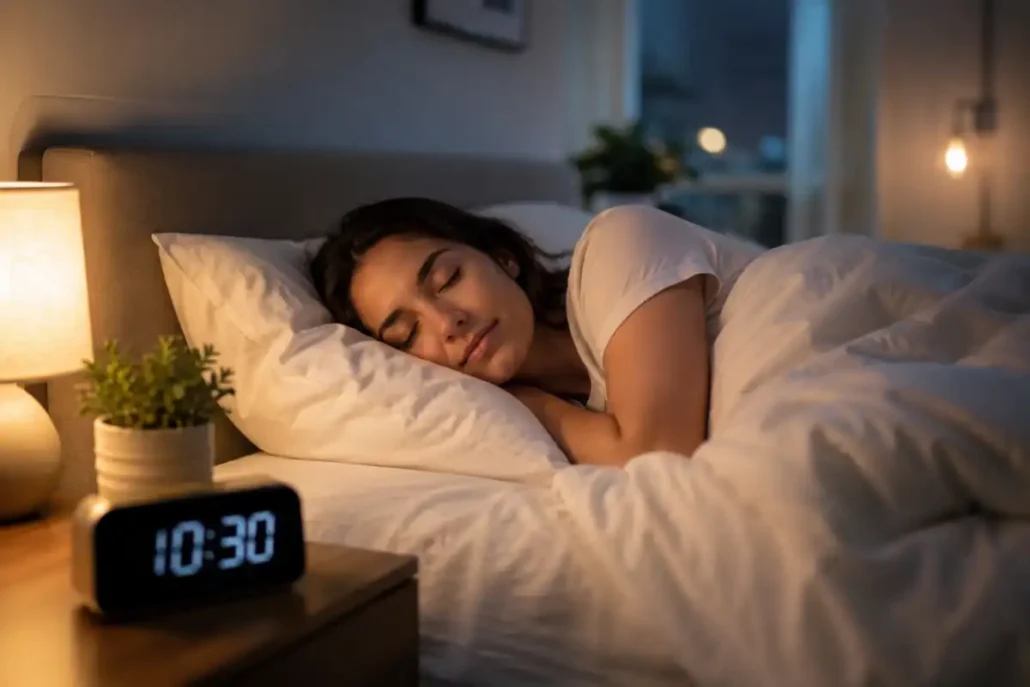
A restful night’s sleep and a calm mind often begin with the environment we retreat to at the end of each day and color plays a far bigger role than you might imagine. The colors that fill a bedroom can subtly shape our moods, elevate or reduce stress levels, and even influence how well we sleep.
Scientific research in color psychology and sleep science reveals that some hues can promote tranquility and restfulness, while others may have the opposite effect, stimulating energy or anxiety.
In this blog, we’ll dive into the latest evidence on how bedroom colors affect your emotional state, stress, and sleep quality. You’ll discover the science of color perception, learn how specific shades affect the body and mind, and get practical, research backed guidance on selecting tones that transform your bedroom into a true sanctuary for relaxation and restorative sleep.
The Science of Bedroom Color Psychology
The color palette of your bedroom is an important factor to consider when designing a sleep conducive environment. Colors can make us feel certain ways and help us manage a number of bodily functions.
For example, studies show that certain shades of color can lower the heart rate and reduce stress, both of which can make it easier to fall asleep. In contrast, other colors may be too stimulating, making it harder to fall asleep.
Theories about color or psychological processes have been published for centuries. In 1810, JW Goethe placed different hues into color categories, linking them to emotional responses, in the work Theory of Colors. Goethe’s theory was expanded by Kurt Goldstein, M.D., in 1942 to include the idea that colors can physiologically manifest:
- Emotional Experiences: Positive or negative arousal
- Cognitive Orientation: Inward or outward focus
- Overt Action: Calming or forceful behavior.
More recently, Andrew J. Elliot and Markus A. Maier’s 2012 Color in Context Theory focused on how social learning influences color. Specifically, they found that responses can be driven by repeatedly pairing colors with specific concepts, messages, and experiences. As a result, their research concluded that color associations can affect natural bodily processes, such as blood flow regulation, in response to objects in close proximity to the body, such as clothes or decorations.
Mood, Stress, and Sleep: Why They Matter in the Bedroom
Quality sleep allows our bodies and minds to rest enough to feel rejuvenated in the morning. While we sleep, numerous bodily processes occur, such as:
- Repair to our bodies.
- Strengthening of the immune system.
- Consolidation of memories.
- Metabolic waste cleansing.
- Hormone regulation.
The best bedroom colors for sleep are those that can promote rest and relaxation, such as blue, green, and soft shades of purple, white, or off white.
Blue
Blue is a calming bedroom color often described as peaceful, tranquil, secure, and orderly. In fact, according to a 2015 study published by YouGov, the color blue is the world’s favorite color. Psychologically, blue can evoke:
- Feelings of calmness and relaxation, but also sadness.
- A sense of stability and reliability.
- A non threatening, traditional presence.
- Creativity and productivity.
Green
The color green is a dominant color in nature that evokes feelings of calm, relaxation, and tranquility. Taking a walk in nature can reinforce this response, as can designing a bedroom with a green palette. Studies have shown that an environment painted or decorated in green or with views of nature can:
- Improve workers’ job satisfaction, enhance overall health, and increase life satisfaction.
- Boost mood when looking at photos of nature.
- Alleviate symptoms of attention deficit hyperactivity disorder in children.
White/Off White
White, along with its hues, is most closely associated with purity, innocence, and cleanliness. It is also used in design elements to make spaces feel larger and brighter.
In the home, white is a primary color in Feng Shui, a practice that involves arranging an environment to promote better sleep and less stress. In Feng Shui, white is expressed in metal. Wood and glass accent pieces both elements of nature also go well with white.
Purple
The color purple is a nuanced choice for bedrooms. While purple offers calming and relaxing effects, lighter lavender shades are generally preferred for sleeping spaces. For those who enjoy introspection during wind down routines, purple remains a suitable option.
Colors to Avoid in the Bedroom
On the other hand, poor or inadequate sleep can cause stress or irritability, while healthy, quality sleep can contribute to positive overall well being. Chronic poor sleep or insomnia can increase the risk of developing mood disorders like anxiety or depression.
- Black: A dark bedroom is a must for sleep, but not on the wall. Black is associated with negative emotions such as depression, anger, sadness, and fear, making it a poor choice for the bedroom.
- Gray: This neutral, modern color can feel draining due to its calming yet emotionally detached qualities. Dark grays sometimes make us feel tense and dull our mood. A light gray may work well as a minimal accent color to highlight other shades.
- Yellow: Yellow is one of the worst colors for a bedroom. Its intensity and playfulness can make it too stimulating or anxiety inducing for a sleeping environment.
- Red: As a warm color that conveys fear, anger, or excitement, red can be too stimulating and make a room feel smaller.
- Orange: While orange can create energy and joy, the bedroom is not suited for such a stimulating color.
Practical Tips for Creating a Sleep Friendly Color Palette
The colors you choose for your bedroom set the tone and mood for the entire space. Now that we know what colors encourage rejuvenating sleep, we can start thinking about how to incorporate them into the sleeping environment.
- The right finish. The finish of the paint is as important as the color when it comes to sleep quality. Flat or matte paint is preferable for a bedroom. Glossy finishes can reflect too much light, stimulating our brains.
- Walls as the star. Pick a color that promotes rest and rejuvenation for the primary wall color, as discussed above.
- Go parallel. Color shades that are parallel on the color wheel encourage rest more than colors that contrast or are unrelated. If you want a contemporary look, incorporate contrasting colors into the room accents.
- Consider size. Lighter hues can make a room feel lighter, while darker colors can create a sense of intimacy and warmth, often associated with smaller spaces.
- Incorporate accents. Introduce pops of your favorite colors through décor and bedding. Select pillows or artwork to express creativity while maintaining harmony.
- Check the (color) temperature. Cool colors like blue and blue greens can make a room feel cooler, while warm shades such as red, orange, and yellow might make a space feel too warm.
- Light it right. Soft, warm light colors can create a cozy, relaxing atmosphere. Use dimmer switches or lamps to soften lighting as you approach bedtime.
- Keep it clean. It’s more relaxing and peaceful to sleep in a tidy space. Clutter can be distracting and cause stress. Declutter regularly to keep the bedroom organized and free of unnecessary items.
Embrace Colors’ Impact on Sleep
Transforming your bedroom into a restful retreat doesn’t require a complete overhaul sometimes, a thoughtful splash of color is all it takes to create a space that nurtures relaxation and better sleep. By choosing tones that align with both scientific insights and your personal preferences, you can shape an environment that calms your mind, reduces stress, and supports restorative rest.
Remember, there’s no one size fits all formula: experiment with soothing palettes, layer in comforting accents, and observe how your mood and sleep respond. With a little intention and creativity, your bedroom can become a true sanctuary for your well being.