Bedtime Rituals for Better Sleep: Global Traditions You Can Try at Home
A good night’s sleep doesn’t start at bedtime—it starts with what you do before you get into bed.
Around the world, people rely on time‑honored bedtime rituals for better sleep, using calming routines to signal the body and mind that it’s time to rest. From cooler sleep environments in Scandinavia to soothing evening baths in Japan, global sleep traditions offer simple, natural ways to unwind and sleep more deeply.
If you’re looking for practical sleep tips or a healthier nighttime routine, exploring sleep habits around the world can be surprisingly helpful. In this article, we’ll highlight comforting cultural sleep practices from different regions and show you how to adapt these global bedtime rituals at home—so you can fall asleep faster, stay asleep longer, and wake up feeling more refreshed.
Scandinavian Bedtime Rituals: Fresh Air & Better Sleep
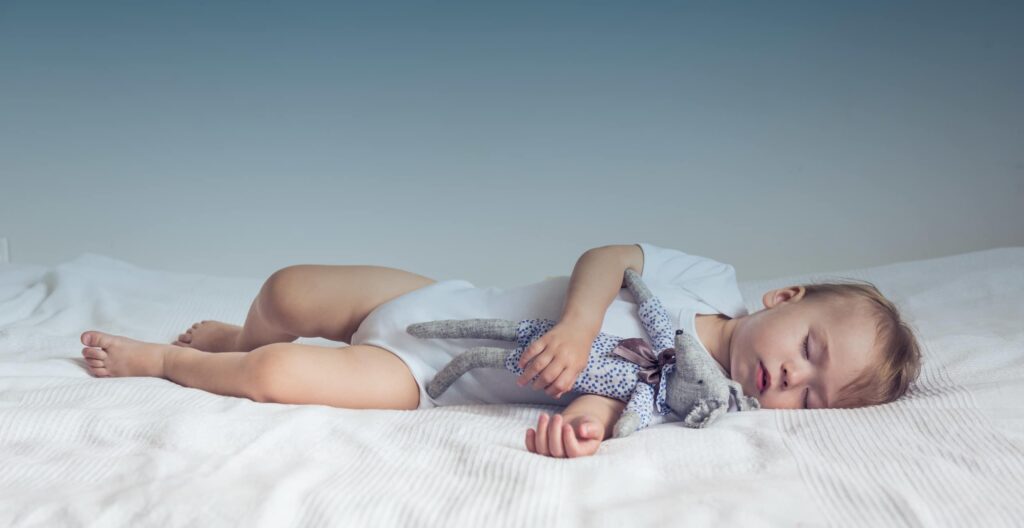
Did you know Scandinavian parents have a tradition of letting babies nap outside? It’s a common practice in Denmark, Norway, Iceland, Finland, and Sweden, aimed at giving children fresh air while keeping them as cozy as possible in cold weather.
Parents typically take their child outdoors to nap starting at about two weeks old, at least once a day, according to an article published in the International Journal of Circumpolar Health. The study cited found that children took longer naps outdoors than those who napped indoors. Although outdoor temperatures ranged from -27 to +5 degrees C, parents agreed that the experience was positive and that the situation was not dangerous.
One goal of allowing children to nap outdoors is to improve their immune systems. Daycare centers in Sweden often put children in prams lined up outside in the snow for naptime. At one preschool near Stockhold, all of the children nap outdoors until age three.
Adapting the Scandinavian Sleep Method
The Scandinavian sleep method is meant to achieve hygge, a Danish cultural concept focused on coziness, intimacy, and simple pleasures. Opening a window at night to create a cooler sleeping environment is one way to recreate this traditional sleep method.
For those living in warmer climates or unable to open windows, you can get similar benefits by using a fan, air conditioning, or clothes and bedding designed to keep you cool. Lightweight natural fabrics and cooling mattress pads can also help you maintain a comfortable and refreshing sleep environment.
When sleeping with a partner, you can achieve hygge at night by using separate blankets. This allows each person to cocoon themselves in their own blanket for optimal comfort. Plus, you’re not fighting over who has more of the blanket!
Japanese Bathing Rituals for Better Sleep
Japanese-style bathing (JSB) is a centuries-old ritual practiced in Japan. Known as ofuro, the practice involves soaking in hot water up to the shoulders for a period of time during the evening after first washing outside the tub. A survey of people living in the Tokyo metropolitan area found that 86% of respondents enjoyed soaking in a tub of hot water. The reasons stated included:
- Warming the Body: 71%
- Recover from Fatigue: 67%
- Relax the Body: 66%
- Refresh Their Feelings: 37%
- Sleep Better: 36%
Studies from the 1980s revealed that full-body immersion up to the neck for 30-90 minutes, with a 10-30 minute cool-down, could enhance slow-wave sleep, shorten the amount of time it takes to fall asleep, and reduce REM sleep. Even foot baths have proven beneficial for sleep quality.
More recent experimental and epidemiological studies agree that JSB shortens sleep onset latency, improves sleep sensation, particularly in winter, and can prevent the onset of mental health challenges, such as depression.
Adapting Japanese-Style Bathing
To fully embrace JSB, first remove distractions, such as phones or loud music, to help your nervous system slow down. Next, prepare the ofuro with warm water and use this time to consciously set aside any worries from the day, allowing the warmth to help you transition to a calm, restorative state.
If you do not have a bathtub, you can still enjoy the benefits of this ritual with a warm shower or a soothing foot soak. Simply let hot water flow over your shoulders and back, or fill a basin with warm water and soak your feet for 10 to 15 minutes.
“When we don’t close our days intentionally, the mind stays loyal to unfinished thoughts. Sleep becomes disturbed, and emotions remain stimulated,” Shai C, mental health practitioner and best-selling author of Love That Was Meant For Me, said during an interview with Vogue India. “When the brain isn’t constantly choosing, responding, or performing, attention turns inwards. Sensations are felt rather than managed.”
To incorporate JSB at home, follow these simple steps:
- Prepare: Gather bathing supplies, such as soap, mineral salts, and a towel. Fill the tub with water heated to at least 104° F. Stir the water and add fragrant herbs like lavender or mineral salts.
- Cleanse: Wash your body before entering the tub. Traditional bathers usually sit on a small stool or bench to cleanse themselves beforehand. This allows your body to adjust to the water’s temperature.
- Rinse: Scoop water from the tub with a bowl and pour it over your body, or use a handheld shower head.
- Soak: Now it’s time to do nothing! Let the warmth embrace you, breathe slowly and deeply, and relax for as long as you’d like.
A word of caution: People with rosacea, eczema, or highly sensitive skin should be aware that heat can trigger flare-ups. Try soaking in lukewarm water for a shorter time, then apply a ceramide-rich moisturizer while your skin is still damp. In addition, individuals with heart conditions or who are pregnant should consult a doctor before taking hot baths, as hot water can affect circulation and overall health. When in doubt, it is best to seek medical advice to ensure a safe and comfortable experience.
Mediterranean Evenings: The Power of the Siesta and Late-Night Socializing
The siesta—which means nap in Spanish—has been a traditional break for workers in Spain and Italy for centuries. It started as a rest period for agricultural workers taken around noon before the heat of the day set in. The siesta became more popular during the Franco era (1939–1975) as Spain’s failing economy forced people to take multiple jobs.
“People would rise at dawn to work for six to eight hours, take a break for two or three hours to rest, eat, and commute to another job. Then, work several more hours into the evening,” Marta Junqué of the Time Use Institute based in Barcelona told CNN Travel.
A 2016 poll found that less than 18% of Spaniards regularly take a siesta, and more than 50% say they never nap. However, the long history of the siesta has influenced Spain’s current economy, particularly in the service and tourism sectors. Dining after 10 p.m. is common, and Spaniards prefer to linger over their meals, a practice known as sobremesa. Translated as “over the table,” this refers to the moment immediately after a meal when good conversation, coffee, and/or wine are the focal point.
The Siesta: How Short Naps Impact Sleep Health
The siesta is one way to reduce sleep debt. If you’re feeling fatigued or sleepy, a 10-minute power nap can give you an energy boost and improve cognitive performance for about two hours.
For best results, consider taking a siesta daily, ideally during the early afternoon, or simply as needed when you notice a dip in your energy. Making short naps a regular habit, rather than a rare indulgence, can help you build a more sustainable routine for rest and recovery. It’s important not to nap for longer than 30 minutes, as longer naps can cause sleep inertia, a groggy feeling that can cause delayed response time.
Consider these tips to create the perfect siesta:
- Get Comfortable: Nap on the couch or in bed, whichever helps you fall asleep faster.
- Set an Alarm: Set your alarm for 20 minutes to reap the benefits without experiencing sleep inertia.
- Adjust the Temperature: If possible, set the temperature in your siesta environment to 65-70°F.
- Relax: Try a guided meditation, soothing music, or breathing exercises to help you fall asleep, especially if you’re not accustomed to napping during the day. Even if you don’t fall asleep, your mind will have a quiet break and a chance to reset the day.
To adapt this Spanish tradition, add late-night dining or socializing. For example:
- Reserve a table later than usual at a local eatery.
- Plan a late-night gathering with friends or family featuring tapas, dessert, or cocktails.
- Remember that it’s customary to stay at the table for an hour or so after the evening meal or cocktail hour.
Bedtime Traditions Around the World for Healthy Sleep
No matter where you live, creating thoughtful bedtime rituals is one of the most effective ways to improve sleep naturally. Whether it’s cooling your bedroom, taking a warm bath, enjoying a short afternoon nap, or simply slowing down before bed, these global sleep rituals all share a common purpose: helping the body transition into rest.
By borrowing from sleep traditions around the world, you can build a nighttime routine that supports relaxation, comfort, and consistency—key ingredients for better sleep. Start small, stay consistent, and choose habits that feel calming rather than complicated. Tonight, turn your bedtime into a ritual—not just a routine—and discover how simple changes can lead to deeper, more restorative sleep.
While this practice reflects cultural norms, elements can be adapted safely at home.