How To Sleep Better While Traveling: Rest Well No Matter Where You Land
Hotel rooms, red-eye flights, unfamiliar beds travel tests your sleep like nothing else. Here’s how to keep your rest on track.
Ever notice how that first night in a hotel leaves you staring at an unfamiliar ceiling, no matter how comfortable the bed? You’re definitely not alone and there’s a fascinating reason for it. Travel throws your sleep a genuine curveball, from strange sounds to a mattress that isn’t quite yours.
The good news? A few smart adjustments can help you sleep soundly whether you’re in a hotel, on a plane, or crashing in a spare room. In this blog, we’ll explore why new places disrupt sleep and exactly what to do about it. Let’s dive in!
The “First-Night Effect”: Why New Places Feel Restless
If sleeping somewhere new feels harder, that’s not your imagination it’s biology. Sleep researchers have documented what they call the “first-night effect,” where part of your brain stays more alert on your first night in an unfamiliar environment. As reported in The Conversation, studies show one hemisphere of the brain remains more responsive to unexpected sounds, almost like a built-in night watchman keeping an eye out.
It’s a leftover survival instinct, and the reassuring part is that it fades. Research shows sleep improves over the following nights as your brain decides the new spot is safe.
Fast Fact: The first-night effect is your brain’s way of staying protective in an unfamiliar place. Give it a night or two, and it eases up.
Setting Up Your Hotel Room for Sleep
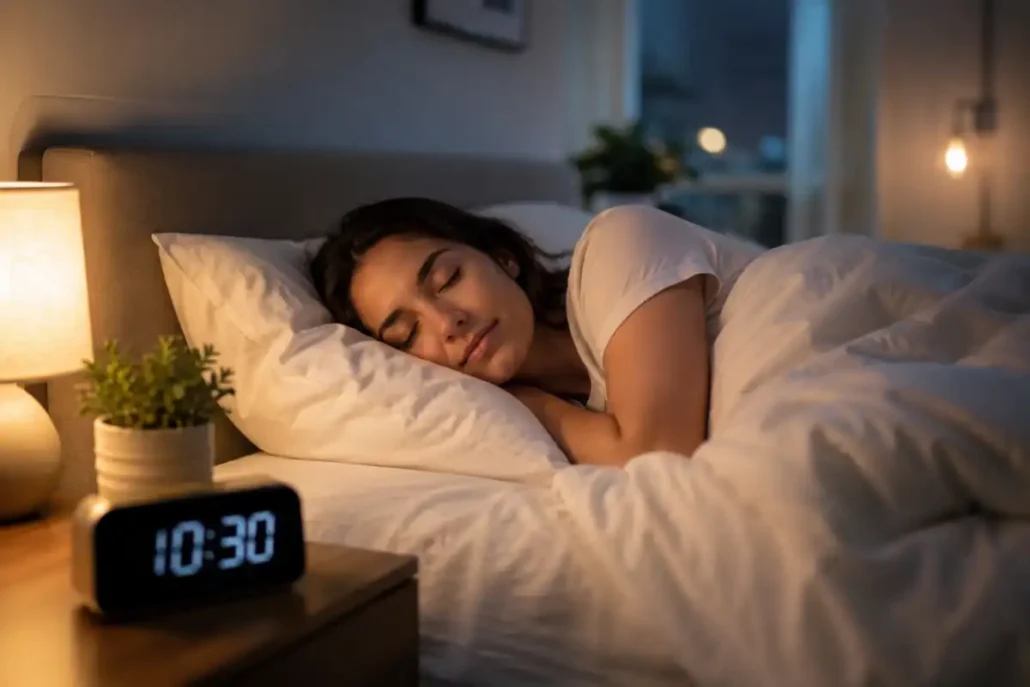
A hotel room isn’t your bedroom, but you can nudge it closer. The Sleep Foundation recommends turning any room into a cool, dark, quiet haven.
- Cool it down: Set the thermostat to your ideal sleeping temperature, ideally somewhere around 65–68°F, so your body can ease into deeper sleep.
- Block the light: Draw the blackout curtains fully, and clip them shut with a pants hanger if there’s a stubborn gap. Cover glowing electronics too.
- Quiet the noise: Request a room away from elevators, ice machines, and the street. Earplugs or a white-noise app can smooth over unfamiliar sounds.
- Request it ahead: When you book, ask for a high, quiet floor away from the pool or lobby. A quick call can make a big difference.
Bring a Little Home With You
One of the simplest ways to soften the first-night effect is to give your brain familiar cues. Packing a few small comforts helps signal that you’re safe and it’s time to rest.
- Your own pillowcase: A familiar scent and feel can be surprisingly grounding.
- A sleep mask and earplugs: Lightweight, packable, and endlessly useful for blocking light and sound.
- A familiar scent: A small lavender sachet or your usual pillow spray can make a strange room feel more like home.
- Your wind-down routine: The same calming steps you follow at home a short read, a stretch travel well and tell your body it’s bedtime.
Mind What You Eat and Drink En Route
Travel days have a way of scrambling your usual eating and drinking habits, and that can follow you to bed. Heavy airport meals, endless coffee, and a celebratory drink or two all sound harmless in the moment, but they can leave you restless once you finally lie down.
A gentler approach helps you land ready to rest. Keep meals on the lighter side as bedtime approaches, lean on water throughout the day, and be mindful that caffeine and alcohol are best kept well clear of when you’re hoping to sleep. Our guide to foods to avoid before bed applies on the road just as much as at home.
Traveling With Little Ones
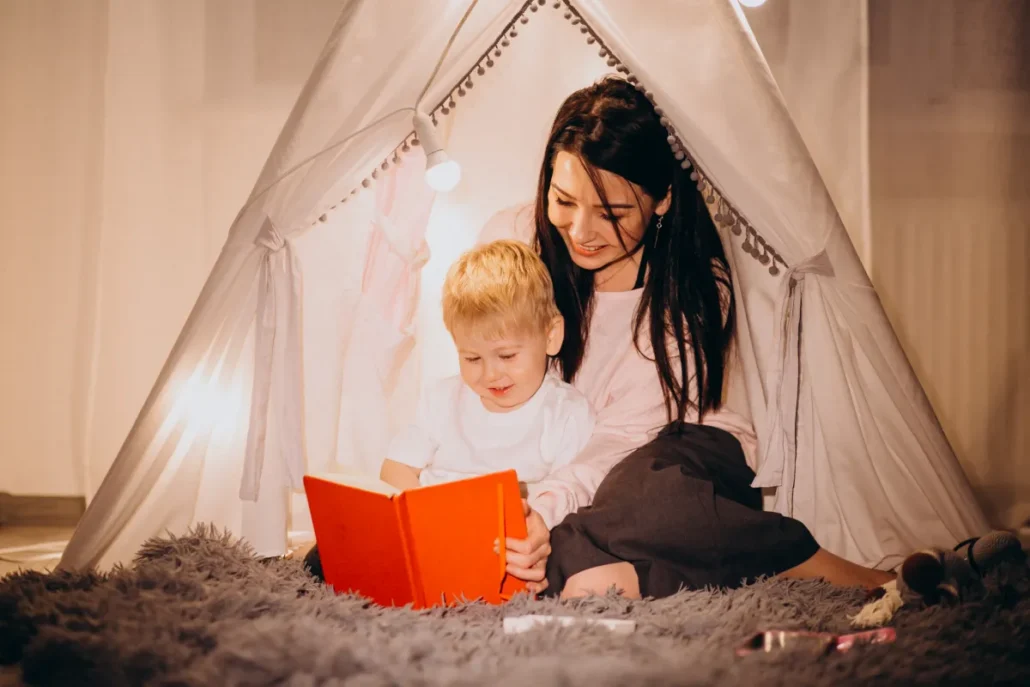
If you’re traveling as a family, everyone sleeps better when the kids do. Children lean on routine even more than adults, so bringing along familiar bedtime cues can smooth over an unfamiliar room.
- Pack a lovey: A favorite stuffed animal or blanket offers instant comfort in a strange place.
- Keep the routine: The same bath-book-bed sequence tells a child it’s time to wind down, wherever you are.
- Recreate the dark: A portable nightlight or a towel over a bright window can make nap and bedtime far easier.
Sleeping on Planes and in Transit
Rest on the go is rarely deep, but a little comfort goes a long way. A neck pillow, an eye mask, and noise-canceling headphones form a simple travel kit that helps you doze in an upright seat.
Stay hydrated with water, since cabin air is drying, and go easy on caffeine and alcohol during the flight both can leave you feeling worse on the other end. If you’re trying to sleep, dim your screen and settle in with something calming rather than an action-packed movie.
Staying With Family or Friends
A spare room or a pull-out couch comes with its own quirks thinner curtains, unfamiliar noises, and a household running on a different schedule than yours. A little friendly planning goes a long way here.
- Ask about the essentials: A spare blanket, an extra pillow, or where to adjust the heat can make the space work for you.
- Bring your own comforts: Your sleep mask and earplugs are especially handy when you can’t control the lighting or the early risers down the hall.
- Protect your routine kindly: It’s okay to slip away for your wind-down at your usual time, even when the visit is lively.
A guest room may never feel exactly like home, but small touches help your brain settle in faster.
Arrival Day: Resist the Crash
After a long travel day, it’s tempting to collapse into bed the second you arrive. If it’s the middle of the afternoon, though, a long crash can leave you wide awake at 2 a.m. Instead, try to stay up until a reasonable local bedtime so your body starts syncing to your surroundings.
If you’re truly running on empty, a short nap of 20 to 30 minutes early in the afternoon can take the edge off without wrecking that night’s sleep.
Ease the Transition Before You Go
A smooth trip starts before you leave. If you can, arrive a night or two ahead of anything important so your body has time to settle in and shake off that first-night restlessness. Keeping your bedtime roughly consistent, even while traveling, keeps your internal clock steadier; our guide to keeping your sleep schedule on track can help.
Hint: Crossing several time zones? Jet lag needs its own game plan see our companion guide to resetting your body clock for the full step-by-step.
Rest Well, Travel Happy
Travel may shake up your routine, but it doesn’t have to wreck your sleep. With a cool, dark room, a few familiar comforts, and a little planning, you can rest well almost anywhere. Remember, one small change like packing your own pillowcase can make the whole trip more restful.
Heading home to a mattress that’s seen better days? Take the Better Bed Quizzz to Find Your Perfect Mattress! Here’s to smooth travels and sweet dreams wherever you roam!