International Nighttime Traditions To Try at Home
Every culture has its own way of winding down at night whether it’s a mindful walk through the woods, cozying up with loved ones, or sharing a cup of tea. In this blog, we’ll explore nighttime traditions from around the world that invite calm, connection, and better sleep.
Keep reading to discover simple international bedtime routines to try at home and transform your evenings into a time of relaxation and renewal.
Japan: Finding Calm with Forest Bathing
Shinrin-yoku (SY), or forest bathing, is a Japanese wellness practice developed in 1982 by Tomohide Akiyama of the Japanese Forestry Agency. Rooted in Japan’s respect for nature and need for stress relief, it involves slowly and mindfully walking in forests, engaging all five senses as part of a broader cultural appreciation for the natural world.
Try these tips to incorporate forest bathing to relax your mind and body, which in turn can improve sleep quality:
- Find a Quiet Place and Time: Visit the natural area you choose for forest bathing at different times of the day. Pay attention to when it’s the quietest. Generally, fewer people visit the outdoors in the early morning, late evening, and weekday afternoons. If you live in an urban area or cannot access a forest, try visiting a local park, botanical garden, or other green space to immerse yourself in the sights and sounds of nature.
- Unplug: Spend an hour or two disconnected from your devices and focus on your surroundings instead. For safety’s sake, be sure to carry your phone with you in case of an emergency.
- Meander: Walk slowly and gently through the forest and have a seat on a bench, log, or rock. Take in the sounds of the forest and watch for wildlife like deer, squirrels, and fish.
- Sense Your Surroundings: Feel the rough bark of a tree, notice how the sunlight glistens on the water, or try to identify birdsongs if you wish. Cornell Lab’s free Merlin app can help identify countless bird species worldwide.
- Breathe Mindfully: Deep breathing can relax and clear your mind. Close your eyes and take 10 slow, deep breaths in and out. Open your eyes and refocus on the forest around you.
- Try Not to Rush: Ideally, forest bathing lasts at least two hours. If you’re busy, 10 to 15 minutes in nature can still help you relax.
Denmark: The Art of Hygge and Creating Cozy Nights
Hygge, pronounced “hooga,” means pausing daily life to be with loved ones or alone. Today’s practice dates to around 1800, although similar customs are believed to have existed in the Middle Ages.
The cold, dark, wet climate in Denmark, combined with Danish values of equality and well-being for everyone, makes the Nordic country a perfect place for hygge. Gathering for hygge is all about enjoying relaxed moments with loved ones, usually at home or in a peaceful setting.
Whether sharing a casual meal paired with wine or beer and candy for the kids there’s no need for a set agenda. Conversation flows naturally, sometimes touching on deeper subjects, but disagreements are rare, creating a warm, harmonious atmosphere.
Simple Ways to Add Hygge to Your Evenings
Hygge is a chance to unwind, slow down, and get cozy as the evening comes to a close. Use the following tips to create your own hygge practice:
- Connect with Others: At the heart of hygge is quality time with loved ones, which builds a sense of belonging and community. Research shows that strong social connections are linked to better health and longer lives.
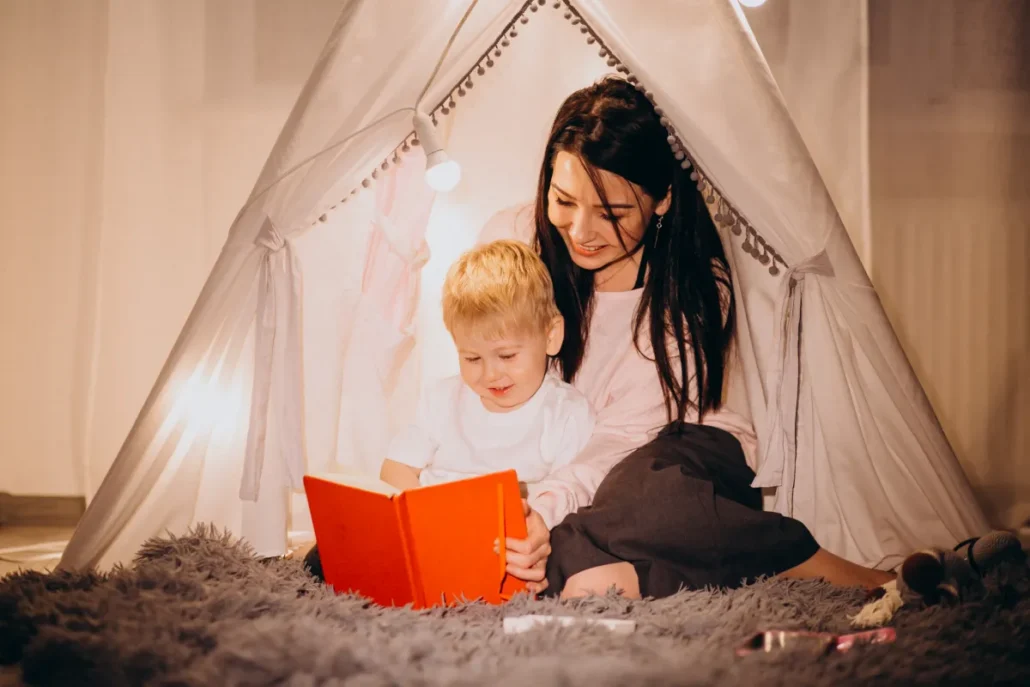
- Create a Cozy Retreat: Comfort is central to Danish living. Gather around the fireplace, dining room table, or an outdoor patio with family and friends. If you’re practicing hygge on your own, create a cozy nook with a soft chair or window seat, and surround yourself with your favorite blankets, pillows, or warm socks especially on chilly nights.
- Set the Mood with Gentle Lighting: Swap out harsh overhead lights for the soft glow of candles or lamps to create a warm, inviting atmosphere. If you prefer a candle-free option or need safer cozy lighting, try string lights, salt lamps, or dimmable bulbs for a gentle, relaxing glow. Always use candles safely, never leave them unattended, and check the National Candle Association’s guidelines for best practices.
- Unplug and Savor Life’s Simple Pleasures: Hygge is about finding happiness in the moment. In the evening, put away your devices and take time to watch the sunset, enjoy a glass of wine on the porch, take a leisurely stroll, or simply unwind. Board games, shared meals, music, or cheerful conversation all fit the spirit of hygge. This can be a group activity with friends or family, or a peaceful solo ritual. The most important part is to be present in the moment.
- Welcome Nature Inside: Being close to nature is calming. Add potted plants, wooden furniture, a small water feature, or let the fireplace crackle if you have one. Natural light, along with soothing colors like greens, creams, and browns, can turn your space into a restful haven.
Mexico: Family, Tradition, and Letting Go
In Mexico, nighttime rituals for rest focus on holistic cleansing, spiritual connection, and soothing the nervous system. One of the most well-known traditions is the temazcal ceremony, which has deep roots in indigenous culture.
A temazcal is typically a dome-shaped structure made from cement, mud, or volcanic stone. The ceremony, often led by a spiritual guide, shaman, or temazcalero, lasts two hours or more. Outside the temazcal, volcanic stones are heated and brought inside throughout the ritual to maintain a steamy, warm environment.
Each temazcal experience is unique. Some ceremonies involve pouring water infused with healing herbs over the hot stones to create aromatic steam, while others might include sipping herbal teas for relaxation. Afterward, participants usually cool down by showering or taking a dip in a pool or the ocean, helping the body transition into a state of calm and renewal.
Creating and Participating in a Temazcal
While it’s not easy to replicate an authentic temazcal ceremony at home without a sauna, you can still create a calming steam ritual to unwind. Try running a hot shower with the bathroom door closed to fill the space with steam, then take a seat and breathe deeply for several quiet minutes.
For a touch of aromatherapy, place a bowl of hot water nearby with soothing herbs or a few drops of your favorite essential oil. Remember to stay hydrated and take breaks as needed to avoid overheating.
If you get the chance to experience a genuine temazcal, keep these tips in mind for a safe and restorative session:
- Hydrate Well: You’ll sweat a lot during the ceremony, so drink plenty of water beforehand and sip tea if offered during the ritual.
- Embrace the Tradition: Temazcals follow ancient customs and may include unfamiliar elements. Trust the guidance of the shaman or temazcalero.
- Dress Comfortably: These ceremonies are hot and intimate; wearing a bathing suit or minimal clothing is common.
- Prioritize Safety: If you have any health concerns that make prolonged exposure to heat risky, consult your healthcare provider before participating.
- Listen to Your Body: If you start to feel overheated, faint, or unwell, step outside and cool down right away.
Scandinavian Sleep Magic: Outdoor Napping and the Power of Fresh Air
In Scandinavia, there’s a beloved tradition of letting babies nap outdoors even in chilly weather. This practice is common in Denmark, Norway, Iceland, Finland, and Sweden, where parents bundle up their babies and toddlers and place them in prams (baby carriages) outside to benefit from crisp, fresh air.
One reason for this tradition is to help strengthen children’s immune systems. In Sweden, some daycares line up prams outdoors during naptime, and preschools may continue outdoor naps until age three. The mix of fresh air and cozy comfort is believed to support more restful sleep.
Adapting the Scandinavian Sleep Method
The Scandinavian sleep method is rooted in the concept of hygge, mentioned above. One easy way to set up a cozy, comfortable sleeping space is to create a cooler bedroom environment. Try cracking open a window at night to let in fresh air and keep your bedroom crisp.
If opening a window is not possible due to hot weather or allergies, consider alternatives such as a fan or an air purifier to keep the air fresh and circulating. You can also opt for hypoallergenic bedding designed for breathability and comfort, which helps create a cool and restful sleep space for a variety of climates and needs.
For couples, another popular Scandinavian tip is to use separate blankets. This simple change lets each person snuggle into their own cozy cocoon, minimizing nighttime tug-of-war and ensuring both partners stay comfortable and undisturbed.
Mediterranean Evenings: Embracing the Siesta
The siesta a midday nap has deep cultural roots in Spain and Italy, shaped by climate and work patterns. Historically, it allowed farmers and laborers to rest during the hottest part of the day. Over time, especially during Spain’s Franco era, economic and societal shifts made the siesta a key part of workers’ daily lives.
Today, the siesta tradition still influences social customs and meal schedules in both countries, reflecting Mediterranean priorities of rest, sociability, and adapting to the local environment. Dining after 10 p.m. is common, and the tradition of sobremesa lingering at the table for conversation, coffee, or wine after a meal remains a cherished social ritual.
Adapting the Siesta
A siesta can be a great way to catch up on rest and boost your energy. Even a quick 10- to 20-minute nap can enhance alertness and cognitive performance for hours. For best results, nap in the early afternoon or whenever you notice your energy dip, keeping naps under 30 minutes to avoid sleep inertia, or post-nap grogginess.
Try these tips for the perfect siesta
- Get Comfortable: Choose a cozy spot, whether it’s the couch or your bed.
- Set an Alarm: Keep naps to about 20 minutes for maximum benefit without sluggishness.
- Adjust the Temperature: Aim for a cool, comfortable room ideally between 65 and 70°F.
- Unwind: Use guided meditation, calming music, or deep breathing to help you relax, even if you don’t fall asleep. The goal is to give your mind a restful break.
Adapting Mediterranean Evenings
To bring a touch of Mediterranean culture into your evenings, try dining later or hosting a late-night gathering with friends or family. Enjoy tapas, dessert, or cocktails together, and don’t rush through your meal. Slow down, savor the flavors, and linger at the table for conversation and connection.
Global Inspiration: More Relaxation Rituals from Around the World
If you’re searching for more global nighttime habits and traditions to improve your sleep, consider adding these additional relaxing rituals to your evening routine:
India: Unwinding with Ayurveda
Ayurvedic traditions focus on calming both the body and mind before bed. Evening rituals may include abhyanga a warm oil self-massage with sesame or coconut oil drinking golden milk (warm milk with turmeric), practicing gentle yoga, meditating, and minimizing stimulation after sunset.
- What It Does: These practices help restore balance, soothe the mind, and set the stage for truly restful sleep.
Morocco: Sharing Mint Tea with Family
Moroccan evenings often involve gathering with family for a cup of fresh mint tea. This soothing ritual creates space for relaxed conversation, storytelling, or simply enjoying quiet time together.
- What It Does: Mint tea aids digestion and relaxation, while slowing down as a family helps your mind and body transition into sleep mode.
Ghana: Storytelling and Co-Sleeping
In Ghana, bedtime is often marked by elders sharing folk tales that teach values, humor, and wisdom. Children commonly sleep near parents or siblings, fostering a sense of comfort and security.
- What It Does: Storytelling sparks creativity, and co-sleeping nurtures emotional well-being both of which promote deeper, more peaceful sleep.
Australia (Indigenous Communities): Songlines and Connection to Country
For Aboriginal Australians, songlines traditional songs that trace ancestral journeys across the land are sung or listened to in the evening to honor heritage and cultivate spiritual grounding. These traditions are sacred, so it’s important to approach them with respect, such as by listening to approved recordings or learning from trusted sources.
- What It Does: Engaging with songlines can reduce anxiety, strengthen identity, and create a deeper sense of meaning, all of which contribute to restorative rest.
International Bedtime Routines
No matter where you are, incorporating global nighttime habits into your routine can transform your evenings and support restful sleep. Start with a small change whether it’s cozying up with loved ones, savoring herbal tea, or simply taking time to unwind. Each ritual is a reminder that relaxation is universal, and a peaceful night is within reach for everyone.