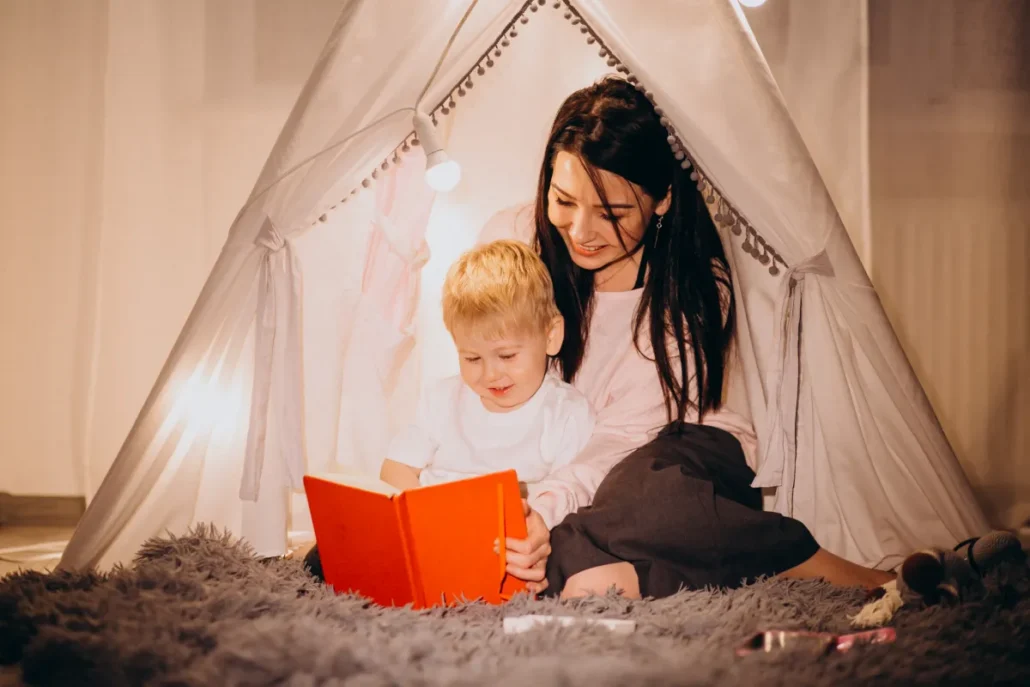
What Different Cultures Can Teach Us About Relaxation and Better Sleep
And How Their Cultural Relaxation Techniques Can Improve Your Nightly Routine
Across the globe, cultures have developed unique rituals to help the mind and body unwind at the end of the day. While our own routines might feel familiar, exploring how others approach relaxation can open the door to new habits that enhance sleep and well-being.
In this blog, we’ll journey through a variety of global traditions—each offering fresh inspiration for your nightly wind-down.
The Art of Winding Down: Why It Matters
Quality sleep is essential for mental, physical, and emotional health. Winding down at the end of the day helps you fall asleep faster and reach deep sleep, ensuring you wake up refreshed. A good evening ritual supports rejuvenating, restorative sleep.
Your unique circadian rhythm, a 24-hour cycle, keeps your body on schedule, signaling when to sleep, wake, and perform daily activities. Daytime habits, especially those before bed, prepare your mind and body for rest.
Japan: Embracing Tranquility with Shinrin-yoku
Shinrin-yoku (SY) is the Japanese term for forest bathing, coined by Tomohide Akiyama, the Director of the Japanese Forestry Agency, in 1982 to encourage people to visit Japanese forests. The practice entails slowly and mindfully walking in the forest while engaging the five senses.
Several studies have found that SY is a beneficial practice for overall health and wellness. A 1990 study found that SY was an effective way to control levels of the stress hormone cortisol. Later, research in the 2000s showed that SY is an effective way to enhance well-being, potentially reducing strain on healthcare systems.
Post-COVID-19 studies on SY and nature therapy (NT) looked closely at the “relaxing and healing effects of receiving stimuli from natural environments, such as plants, flowers, trees, forests, various woods, and running water in natural environments.”
Tips for Shinrin-yoku at Home
Shinrin-yoku can be as simple as taking a mindful walk in nature, using your senses to focus on sounds like bubbling brooks and singing birds.
Relaxing your mind and body improves sleep quality. Try these tips to incorporate forest bathing into your relaxation routine:
- Choose a Quiet Time of Day: Pay attention to when the natural area you want to forest bathe in is quietest. Typically, fewer people visit the outdoors in the early morning, late evening, and weekday afternoons.
- Turn Off Electronics: Spend an hour or two untethered to your devices and focus on your surroundings instead.
- Don’t Rush: Meander slowly through the forest and find a cozy spot to sit for a while. Listen to the sounds of the forest and keep your eyes out for wildlife such as deer, squirrels, and fish.
- Use Your Senses: Touch tree bark, notice sunlight on leaves, or identify birdsongs if you wish. Merlin, a free app from Cornell Lab’s, can help identify birds.
- Breathe: Deep breathing can relax and clear your mind. Close your eyes and take 10 slow, deep breaths in and out. Open your eyes and refocus on the forest around you.
- Take Your Time: Ideally, forest bathing lasts two hours. If you’re busy, 10 to 15 minutes in nature can still help you relax.
Denmark: Hygge and the Power of Cozy Evenings
Denmark consistently ranks one of the world’s happiest countries—possibly due to the practice of hygge.
Hygge, pronounced “hooga,” means pausing daily life to be with loved ones or alone. Today’s practice dates to around 1800; similar customs existed in the Middle Ages.
Denmark’s cold, dark, and wet climate is the perfect setting for Danes to flock to indoor locations together—and winter is the best time for hygge. The climate isn’t the only factor that encourages hygge. Danes value society, focusing on the equality and well-being of everyone.
Essentially, practicing hygge simply involves spending time with family or close friends, typically at home or in a quiet location, to enjoy a meal with wine or beer—and candy for children. Picnics are popular hygge activities during warmer months. No formal agenda is needed, though deep topics of discussion may arise. Arguments during hygge are uncommon.
Easy Ways to Bring Hygge Into Your Nightly Routine
Think of hygge as a chance to unwind, slow down, and get cozy as bedtime approaches. Create your own hygge practice using these tips:
- Get Cozy: Danes value comfort and design spaces for coziness. Create your own cozy nook with a window seat or a soft chair, and your favorite comfort items, like pillows or blankets. Wear warm socks on cool nights.
- Bring Nature Indoors: Simply surrounding yourself with natural elements can be relaxing. You can bring nature into your bedroom with potted plants, wood furniture, a water fountain, a crackling fire, and by letting natural light fill your space. Greens, creams, and browns are good colors to paint or accent your sleeping environment.
- Use Candles or Low Lighting: Turn off harsh overhead lights, and create cozy pools of light with candles. Never leave candles unattended, and review the National Candle Association’s safety tips.
- Turn Off Tech: Hygge is about happiness and simple pleasures. Spend 30 minutes or so in the evening to watch the sunset, sip a glass of wine on your porch, take a stroll around the neighborhood, or just enjoy life. Other activities can include board games, a meal, music, or jovial conversations. Include friends and family, or practice hygge alone. Focus on being in the moment.
- Connect: Spending time with loved ones is central to hygge, fostering a sense of belonging, community, and connection. Studies show social connections boost health and longevity.
Mexico: Family, Tradition, and Letting Go
Rituals for rest and sleep in Mexico are designed to focus on holistic purification, spiritual connection, and calming the nervous system. One of the most popular rituals is the temazcal, a ceremony rooted in indigenous and traditional customs.
Temazcals are traditionally dome-like structures constructed of cement, mud, or volcanic stone. Ceremonies typically last 2 or more hours and are led by a spiritual leader, a shaman, or a temazcalero. Steaming volcanic stones are heated outside the temazcal prior to the ceremony and placed inside periodically to keep the space hot.
No two temazcal ceremonies are the same. Some may involve throwing water infused with healing or therapeutic herbs over the stones to create steam. Others include drinking herbal tea as well. Participants typically take a cool shower or take a dip in a pool or the ocean after the ceremony to lower their body temperature.
Creating and Participating in a Temazcal
Recreating an authentic temazcal ceremony at home can be challenging without access to a sauna, but you can still enjoy a gentle steam ritual to help you unwind. Try closing your bathroom door and running a hot shower to fill the room with steam. Then, find a comfortable spot to sit, relax, and take slow, deep breaths for a few minutes, allowing the warmth and moisture to soothe your body and mind.
You can also place a bowl of hot water and a few calming herbs nearby for gentle aromatherapy, or add a few drops of essential oil to the water. Be sure to stay hydrated and take breaks as needed to avoid overheating.
NOTE: Don’t participate in a temazcal if you have a health condition that makes exposure to extreme heat dangerous to your health. Ask your healthcare provider before participating to ensure your safety.
Thankfully, many wellness spas worldwide now offer the experience. If you have the opportunity to participate in a temazcal, follow these tips for a safe and healthy experience:
- Hydrate, Hydrate, Hydrate: You’ll sweat quite a bit during a temazcal ceremony. Drink plenty of water beforehand and sip tea during the ceremony to keep yourself hydrated.
- Commit to the Experience: Temazcals are steeped in tradition and may include elements that you haven’t experienced before. Follow the lead of the shaman or temazcalero.
- Wear a Bathing Suit (or don’t): Temazcals are very hot, intimate ceremonies. The fewer clothes, the better.
- Stop If Necessary: Don’t hesitate to step outside the temazcal if you’re uncomfortable in any way. Especially if you get too hot or start to feel faint or lightheaded.
Recreating Other Mexican-inspired Rituals Into Your Evening
Other Mexican-inspired rituals don’t require a separate structure to reap their benefits. Here are a few you can try at home:
- Sahumerio: Also known as herbal smudging, a sahumerio involves burning herbs such as sage, rosemary, or palo santo to cleanse your home or sleeping space. Smudging is thought to remove negative energy and prepare the space for rejuvenating sleep.
- La Limpia: This ritual can also remove heavy energy from your home or bedroom. Depending on your floor coverings, sprinkle salt in the corners of the bedroom and/or mop the floor with water and vinegar.
- Candle Rituals: Candles can also cleanse your space and create a calm, quiet atmosphere before bed.
- Gratitude and Prayer: Families often pray or express gratitude for the day to create a sense of safety and spiritual peace.
- Rebozo Massage: This ritual uses rebozos, a traditional Mexican scarf, for gentle stretching to release muscle tension and realign energy.
- Aromatherapy/Herbal Baths: Pour herbal infusions made with chamomile or lemongrass into your tub and take a slow, warm bath to reset your body.
- Sound Rituals: Play calming music or meditation soundtracks to soothe yourself to sleep.
Global Inspiration: International Relaxation Methods
Looking for more ways to celebrate other cultures and sleep restoratively? Try these other evening wind-down rituals from around the world.
India: Winding-Down with Ayurveda
Ayurveda is a traditional practice in which participants take part in abhyanga, a warm oil massage using sesame or coconut oil. It can also include drinking warm milk with turmeric, practicing yoga or meditating, and avoiding all stimulation after sunset.
- Benefits: Ayurveda is designed to balance the body’s energy and prepare the mind for rejuvenating sleep.
Morocco: Sipping Mint Tea with Family
Moroccan families set aside time to relax with a cup of fresh mint tea in the evenings. This relaxing tradition fosters a sense of togetherness and peace. Tea time can also entail light conversations, storytelling, or simply quiet time.
- Benefits: Mint is known as a beneficial herb with digestive and calming properties. Slowing down for tea time can encourage your mind and body to wind down for the day.
Ghana: Stories and Share Sleep Spaces
A centuries-old nighttime tradition in Ghana is storytelling, where elders pass down wisdom, values, and humor through folk tales. Children commonly sleep with or near their parents or siblings to create a sense of belonging and safety.
- Benefits: Storytelling encourages imagination, and co-sleeping provides emotional security that can lead to more restful sleep.
Australia (Indigenous Communities): Songlines and the Land
Songlines are traditional songs that connect the Aboriginal people of Australia to their ancestors and the land. Singing or listening to songlines helps preserve Aboriginal culture and promotes spiritual grounding.
It is important to recognize that these traditions are deeply significant to Indigenous communities, and to practice respect when learning about them. One way to honor Aboriginal culture is to listen to approved recordings of songlines or to seek out trusted educational resources to better understand their meaning and importance.
- Benefits: Songlines can reduce anxiety, strengthen identity, and create meaning, all elements that can foster restorative rest.
Global Wellness Traditions for Restorative Sleep
As you reflect on these diverse traditions, remember that the path to true relaxation is personal and ever-evolving. Take inspiration from around the world, experiment with new rituals, and discover what brings you the deepest rest. Your perfect nightly routine is waiting to be created—one peaceful evening at a time.